Spanish historian proposes mestizaje and music as pillars of integration in the Missions
27 April, 2026
María Elvira Roca Barea delivered a keynote lecture within the framework of the International Festival of Renaissance and American Baroque Music “Misiones de Chiquitos.”
(Santa Cruz de la Sierra, April 27, 2026) The presence in Bolivia of the Spanish historian, essayist, and professor María Elvira Roca Barea marked one of the most outstanding moments of the International Festival of Renaissance and American Baroque Music “Misiones de Chiquitos.” Her visit, promoted by the National Vida Segura Foundation within the framework of this important event organized by APAC Bolivia, opened a space for deep reflection on the history and identity of the Hispanic world.
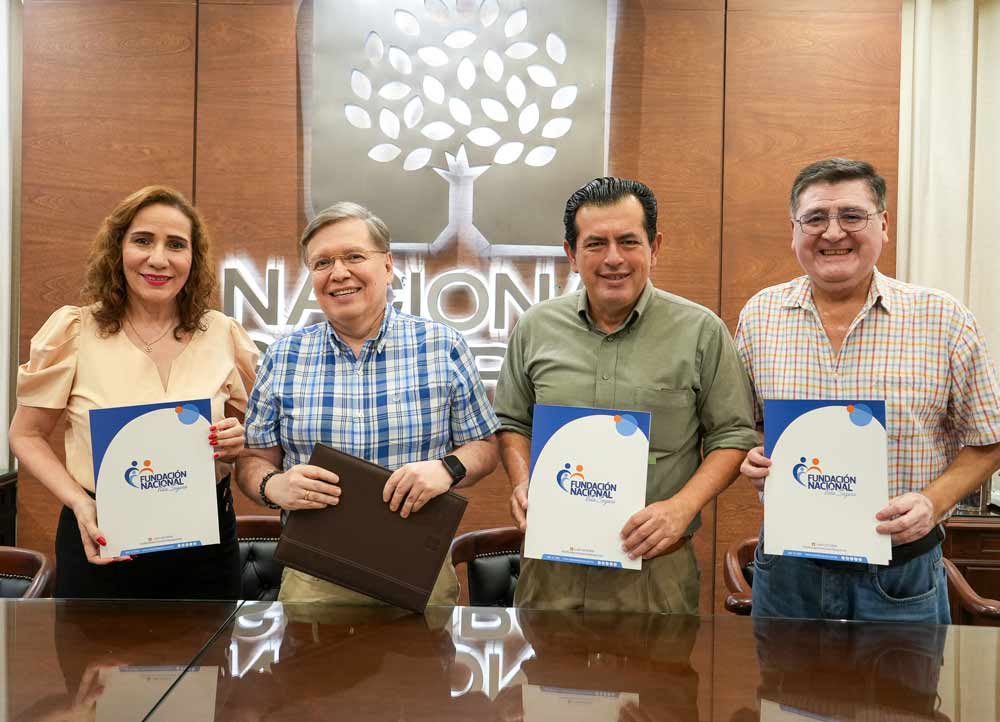
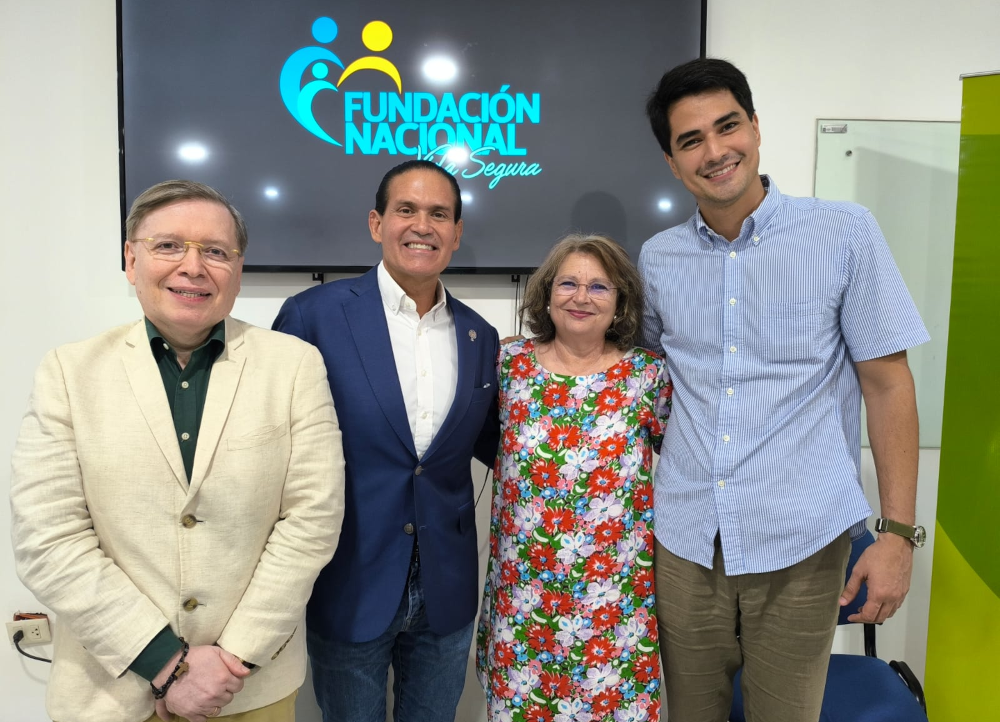
In this context, a keynote lecture was held at the facilities of Grupo Nacional Seguros, attended by José Luis Camacho Miserendino, president of the Foundation; Julio César Caballero Moreno, executive director; Percy Añez Castedo, head of APAC; as well as ecclesiastical and academic authorities, visual artists, university professors, historians, and an interested audience.
The lecture was delivered in two sessions. In the first, titled “Different Systems of Integration during the Habsburg Period: The Reductions,” the various approaches that promoted mestizaje (racial and cultural mixing) and the integration of Amerindian populations in the Americas were discussed. This overview made it possible to understand the origin, development, and achievements of the reductions as a unique model of social and cultural organization.
Roca Barea argued that mestizaje constitutes the inevitable foundation of our identity: a confluence of bloodlines, cultures, and traditions—from European to Indigenous—that gave rise to new cities and societies. In this regard, she highlighted the case of the Jesuit Missions of Chiquitos, whose experience is exceptional both for its survival and its legacy, especially in music. “We do not know how much of Chiquitos’ musical heritage was lost. But from what remains, one can perceive that it was extraordinary,” she stated.
In the second part, titled “Music of the Bolivian Viceregal Baroque as a Meeting of Civilizations,” the role of music as an integrating language was explored. According to the historian, music compensated for the limitations of language and became a key vehicle for learning and cultural transmission. “The Jesuits used music as a system of communication: to teach, to celebrate, and also to share sorrow,” she concluded.