The Safe Life National Foundation’s “Itadakimas” Cultural and Solidarity Festival
27 August, 2026
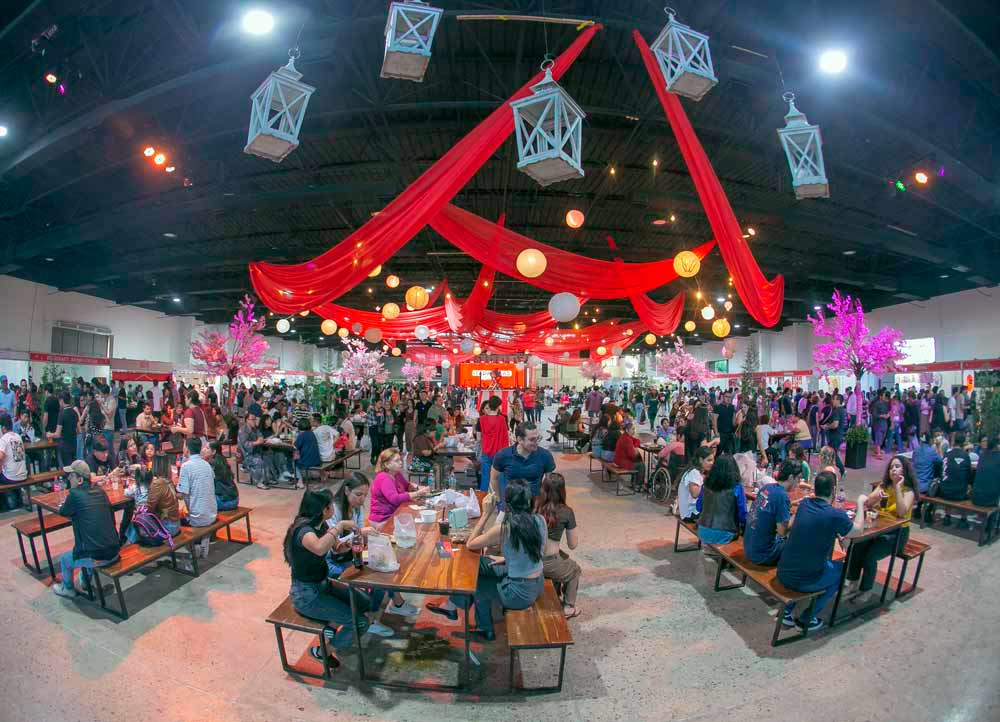
Massive Turnout Marks the Success of the ‘Itadakimas’ Japanese Cultural and Gastronomic Festival at Fexpocruz
The Fundación Nacional Vida Segura successfully held the “Itadakimas” Japanese Gastronomic and Cultural Festival, whose main purpose was to raise funds to continue the institution’s social assistance programs in the areas of education, health, sports, and culture. The event took place at the Brazil Pavilion of Fexpocruz, with the support of JICA, the Consulate of Japan, and the Japanese Social Center.
The event, which brought together couples, groups of friends, and families, featured the participation of 23 food businesses, including restaurants, cafés, and bakeries. In addition, an area dedicated to artisans and entrepreneurs offered the public pastries, breads, and desserts prepared with Japanese-inspired recipes, as well as jewelry inspired by the culture of the Land of the Rising Sun.
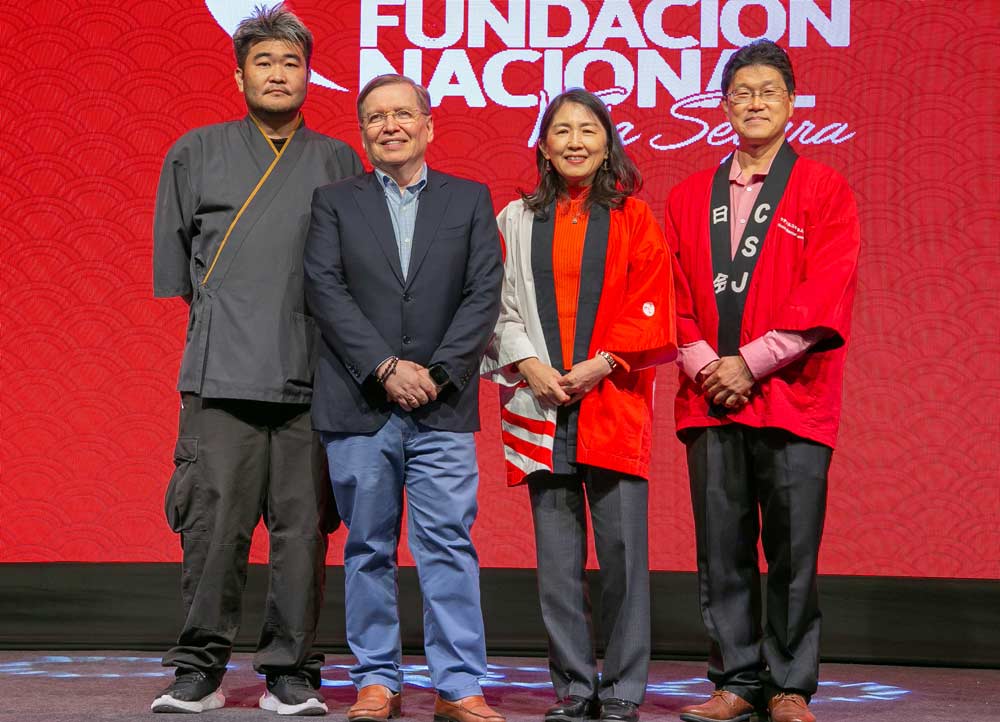
The word itadakimasu is an expression traditionally spoken by Japanese people before eating. It conveys gratitude for the food they are about to receive, for those involved in its production, and for the people sharing the table. Inspired by this meaning, the Fundación Nacional Vida Segura organized the Festival. Its Executive Director, Julio César Caballero, explained this during the event’s official ceremony, where he thanked the public for attending and the sponsors for joining the initiative: Toyosa, Caisy, Celina, Laboratorios Bagó, and UPDS. He also expressed his appreciation to chef Koichi Kuroiwa, the gastronomic producer of this first culinary gathering.
The central ceremony was attended by Nobuaki Watanabe, President of the Japanese Social Center, and Wada Yuko, Honorary Consul of Japan. Representatives of JICA, led by Project Advisor Toshihiro Nakajima, as well as members of the consular corps, were also present. From the front row, they witnessed the Mochi Ceremony, a Japanese ritual in which rice is pounded to make rice cakes, as well as the Eisa dances, accompanied by powerful drums; the Shishi-mai dance, featuring a large lion that delighted the audience; and the Bon Odori, which drew many members of the public to participate.
Earlier in the day, origami and calligraphy workshops were held, while children from the Japanese School demonstrated their dancing skills. Cosplay presentations were also held on stage, with prizes awarded to the three best costumes.
The first edition of “Itadakimas” featured the bakeries Daruma and Jenny’s Bakery, as well as the following restaurants established in Santa Cruz de la Sierra: Santoku, Kaizen, Yorimichi Express, Hattori, Amo Sushi, A Trochi Mochi by Trosh, Noa Plantshop and Coffee, Shitake, New Tokyo, Kao by Sach’a, Restaurante Japonés Kenchan, Shimaya Ramen, Senpai Burger, Naoki Sushi, Nakamura Ramen, Nori Sushi, Dójo, Hoppe, Yoshimura, Miso Restoramen, and Asato’s Pork.